Smoke Damage & Odor Removal in Lincoln, NE
Odor travels where the fire never reached. Masking it does nothing.
The short answer
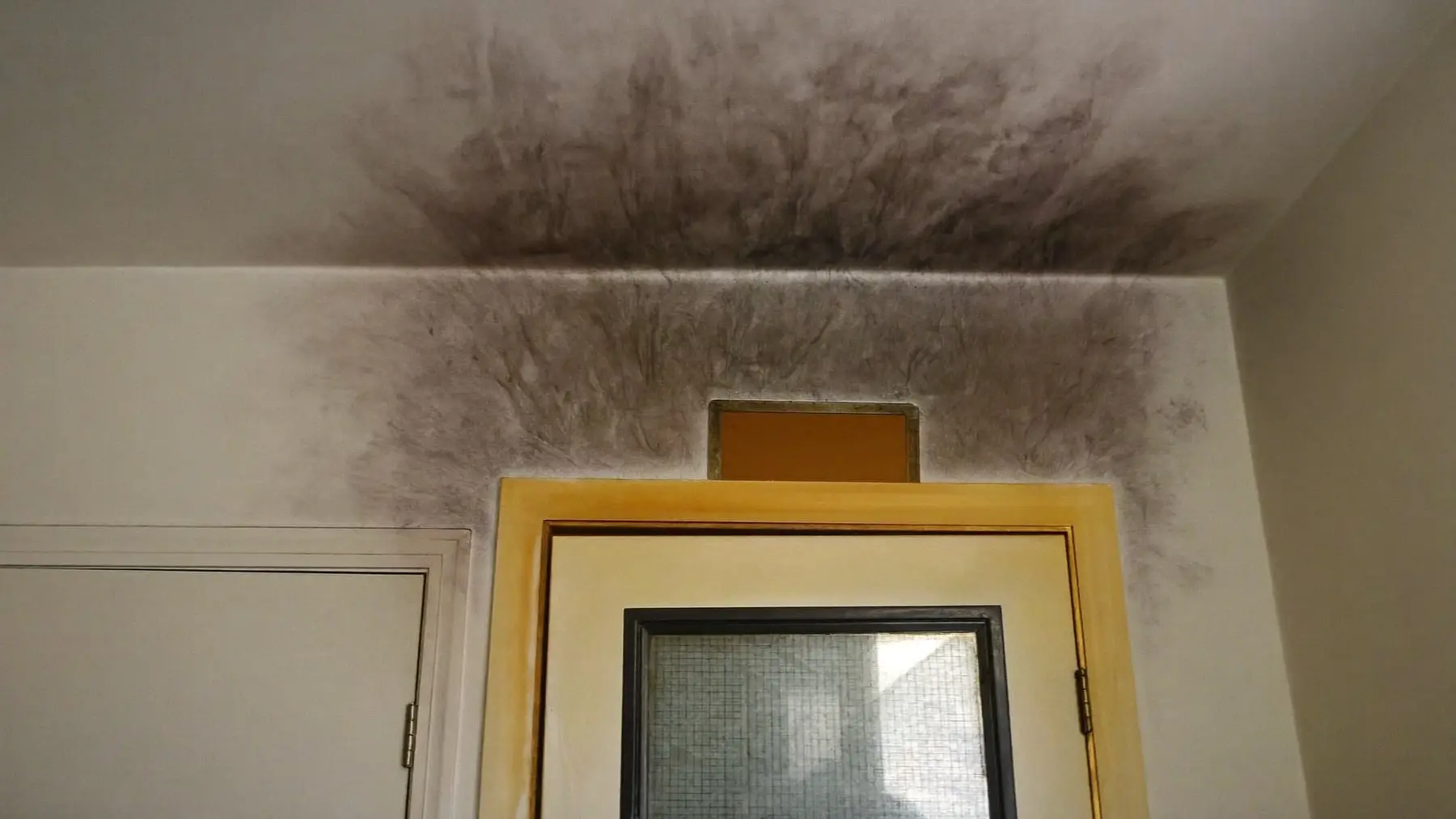
Smoke damage extends well beyond the room that burned, because smoke particles are small enough to travel through HVAC ductwork, around door frames and into wall cavities, settling in rooms the fire never reached. Odor persists because those particles lodge in porous materials such as carpet, drywall, insulation and upholstery. Removing the smell requires removing or cleaning the material holding it, not masking it, which is why air fresheners and ozone alone produce only a temporary result.
The four residue types, and why it matters
Dry smoke comes from fast, hot fires and leaves a powdery residue that is comparatively easy to remove. Wet smoke comes from slow, smoldering low-heat fires and leaves a thick sticky film with a strong odor that smears badly if cleaned wrongly. Protein residue from kitchen fires is nearly invisible but carries an intense smell and discolors paint and varnish. Fuel oil soot, typically a furnace puffback, is heavy and greasy. Applying a wet cleaning method to dry soot, or the reverse, can drive residue permanently into the surface.
How professional odor removal actually works
Source removal comes first: cleaning or discarding materials holding residue, and cleaning the HVAC system, which otherwise redistributes odor every time the system runs. Then treatment, using thermal fogging to pair with odor particles the way smoke originally penetrated, or hydroxyl generators, which work safely in occupied spaces, or ozone, which does not and requires the building be vacated. Finally sealing framing where odor has penetrated the wood itself.
Smoke Damage & Odor Removal in Lincoln, NE
One call connects you with a licensed, insured local contractor.
+1 (402) 783-8866Free referral · Licensed & insured contractors · Lincoln & Lancaster County
Frequently asked questions
Why does smoke smell come back weeks later?
Almost always because the source was never removed, only treated. Residue remaining in wall cavities, insulation or ductwork re-releases odor when humidity rises or the HVAC system runs. Heat and moisture reactivate it, which is why the smell reappears in summer or after the heating comes on. The fix is source removal rather than repeat treatment.
Does ozone treatment work for smoke odor?
It can be effective, but it is not a substitute for cleaning and it has real limitations. Ozone is a lung irritant, so the building must be unoccupied during treatment and ventilated afterward, and it degrades rubber and some plastics with repeated exposure. Hydroxyl generators are slower but can run in occupied spaces. Neither works if residue is still present.
Do my clothes and furniture have to be thrown out?
Often not. Textiles frequently respond well to specialist cleaning, and contents restoration using ozone chambers or specialist laundering saves a great deal of what looks unsalvageable. Heavily saturated upholstered furniture and mattresses are usually the exception. Do not launder smoke-affected clothing in a domestic machine first, since heat can set both the odor and the staining.
Part of Fire Damage Restoration
Board-up, soot removal, smoke odor treatment and full reconstruction.
- Soot Removal & Cleaning — Acidic residue that etches and corrodes. Wiping it makes it worse.
- Emergency Board-Up & Tarping — Securing the building before weather, animals or trespassers get in.
Available across the Lincoln area
Water damage right now?
The referral line is answered 24 hours a day, including weekends and holidays.
+1 (402) 783-8866Free referral · Licensed & insured contractors · Lincoln & Lancaster County