Soot Removal & Surface Cleaning in Lincoln, NE
Acidic residue that etches and corrodes. Wiping it makes it worse.
The short answer
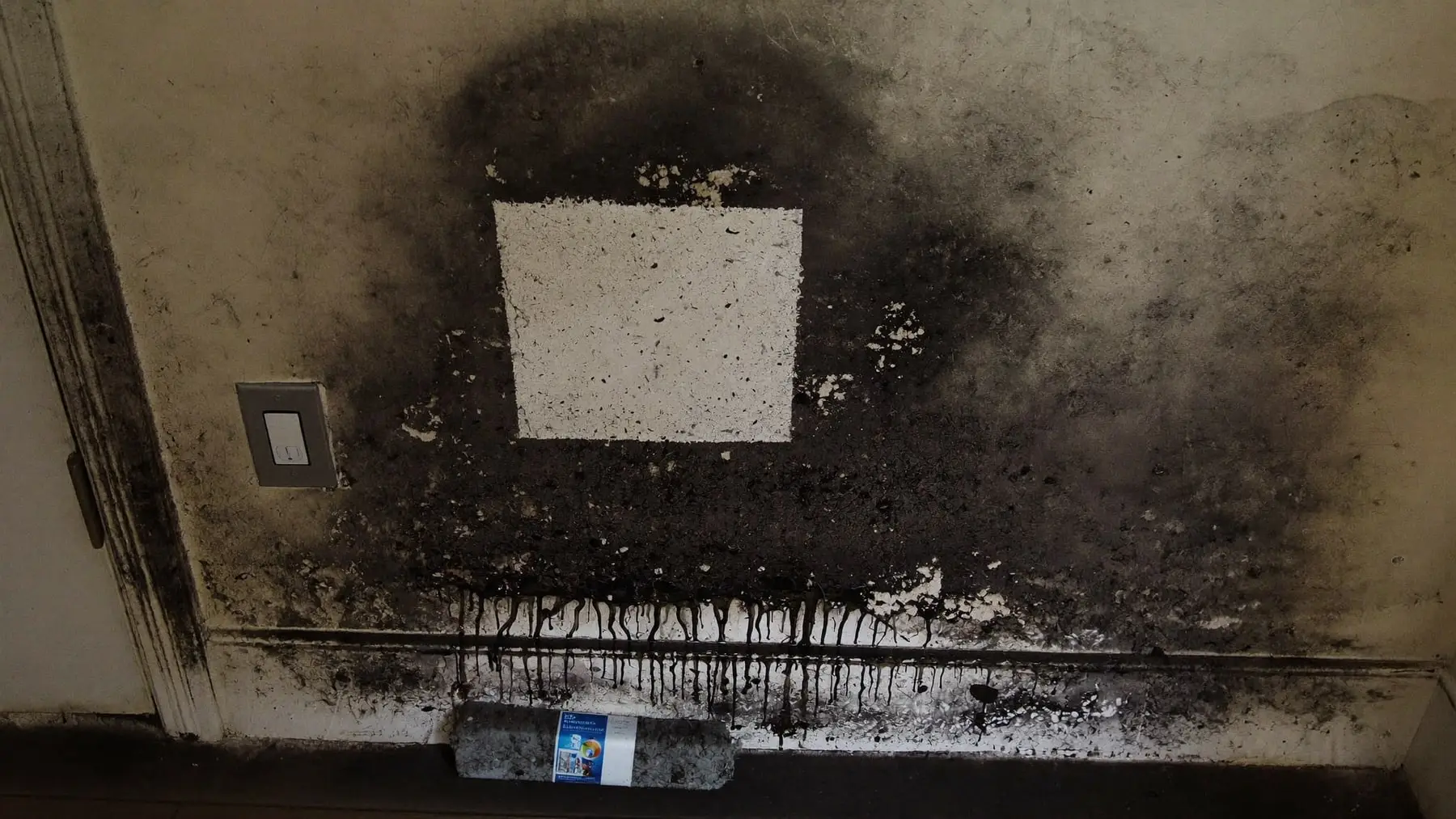
Soot is the acidic particulate left behind by combustion, and it actively damages what it settles on. Within hours it discolors plastics and finishes, within days it etches glass and corrodes metal, and after several weeks much of that damage becomes permanent rather than cleanable. Removal must match the residue type, beginning with chemical dry sponges before any wet method, because wiping soot with a damp cloth drives it into porous surfaces and sets the stain.
Why speed matters more than with most damage
Most restoration work has a deterioration clock measured in days. Soot damage begins in hours. Metal fixtures pit, glass hazes, grout and porous stone absorb residue, and plastics yellow irreversibly. A property cleaned within the first week frequently keeps fixtures and finishes that would be write-offs a month later.
What not to do
Do not wipe soot with a damp cloth, do not vacuum it with a domestic vacuum, which blows fine particles back into the air through the exhaust, and do not run the HVAC system, which distributes residue through the whole building. Soot also contains carcinogens and irritants, so cleaning without respiratory protection is a genuine health risk rather than a precaution.
Soot Removal & Cleaning in Lincoln, NE
One call connects you with a licensed, insured local contractor.
+1 (402) 783-8866Free referral · Licensed & insured contractors · Lincoln & Lancaster County
Frequently asked questions
Can soot damage be permanent?
Yes, and that is the reason for urgency. Acidic residue etches glass and mirrors, pits and corrodes metal, and permanently yellows plastics and some finishes. Porous materials such as unsealed grout, natural stone and raw wood absorb it. Cleaning early frequently saves surfaces that would otherwise need replacement.
Will my HVAC system need cleaning after a fire?
Almost always. Ductwork collects soot and then redistributes it every time the system runs, which recontaminates rooms already cleaned and keeps odor circulating. Duct cleaning is a standard part of fire restoration rather than an optional extra, and running the system before it is cleaned is one of the most common ways people spread a contained loss through a whole building.
Is soot dangerous to breathe?
Yes. Soot contains fine particulate that penetrates deep into the lungs along with combustion by-products, some of which are carcinogenic, and the mix depends on what burned. Synthetic materials produce particularly hazardous residues. Professionals wear respiratory protection for this reason, and occupants should stay out of heavily affected areas until cleaning is complete.
Part of Fire Damage Restoration
Board-up, soot removal, smoke odor treatment and full reconstruction.
- Smoke Damage & Odor Removal — Odor travels where the fire never reached. Masking it does nothing.
- Emergency Board-Up & Tarping — Securing the building before weather, animals or trespassers get in.
Available across the Lincoln area
Water damage right now?
The referral line is answered 24 hours a day, including weekends and holidays.
+1 (402) 783-8866Free referral · Licensed & insured contractors · Lincoln & Lancaster County