Black Mold Removal in Lincoln, NE
Containment and negative air, not a spray bottle.
The short answer
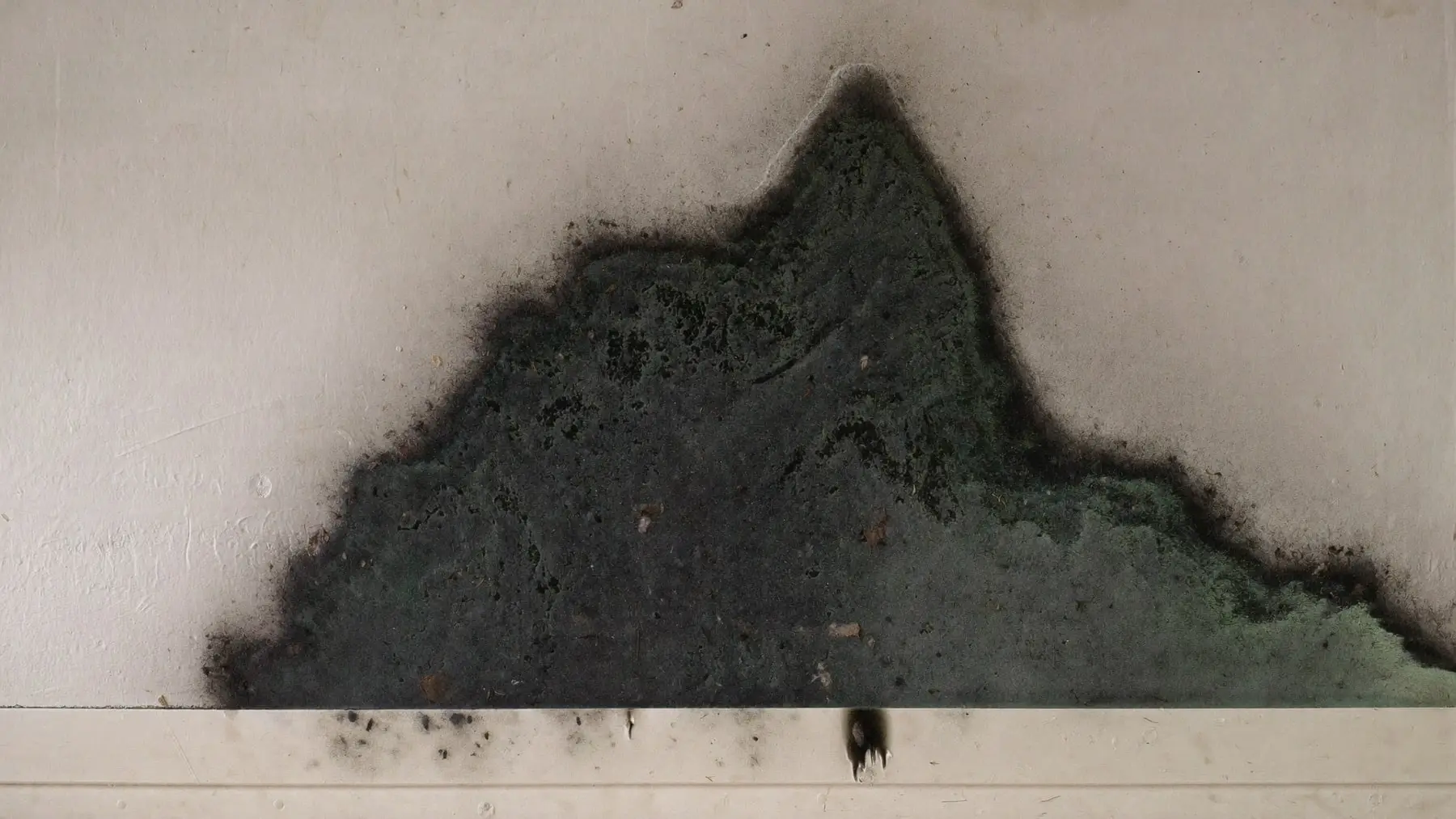
Black mold removal means removing the growth under containment while correcting the moisture that caused it. Stachybotrys chartarum, the species usually meant, needs sustained moisture rather than occasional damp, so its presence indicates an ongoing water problem rather than a one-off spill. Removal without containment is the main way a localised problem spreads, because disturbing growth releases large numbers of spores into the air.
Why containment is the part that matters
Disturbing mold growth aerosolises spores. Without physical containment and negative air pressure those spores travel through the building and settle elsewhere, seeding new growth wherever moisture exists. This is why a do-it-yourself removal frequently turns one affected room into several. Professional setups seal the work area, run it under negative pressure so air flows inward, and filter the exhaust through HEPA.
Finding the moisture source
Sustained growth means sustained moisture, and the source is often not obvious: a slow supply line leak inside a wall, a failed window seal, condensation on cold pipes, inadequate bathroom ventilation, or groundwater through a foundation crack. Remediation that skips the source is temporary work, and the growth returns in the same place.
Black Mold Removal in Lincoln, NE
One call connects you with a licensed, insured local contractor.
+1 (402) 783-8866Free referral · Licensed & insured contractors · Lincoln & Lancaster County
Frequently asked questions
How do I know if it is black mold specifically?
Without testing you generally do not, and colour is unreliable since many harmless molds are dark and Stachybotrys is not always black. The practical answer is that identification rarely changes the work, because remediation procedure is the same regardless of species. Species identification matters mainly for documentation in a claim or transaction.
Can I remove a small patch myself?
Guidance generally treats areas under about ten square feet on a hard non-porous surface as manageable for a homeowner with protective equipment and adequate ventilation. Beyond that, or anywhere growth is on porous material such as drywall, or where anyone in the household has respiratory problems, containment and professional equipment are warranted. The risk of doing it wrong is spreading spores rather than removing them.
Will removing the mold make the smell go away?
Usually, provided the material holding the growth is removed and the moisture source is fixed. Musty odor comes from compounds mold releases as it grows, so it stops once growth stops. Persistent smell after remediation typically means either hidden growth elsewhere or the moisture problem is still active.
Part of Mold Remediation
Containment, safe removal, and correcting the moisture source.
- Mold Inspection & Testing — Useful when growth is hidden or documentation is needed. Often not otherwise.
Available across the Lincoln area
Water damage right now?
The referral line is answered 24 hours a day, including weekends and holidays.
+1 (402) 783-8866Free referral · Licensed & insured contractors · Lincoln & Lancaster County