Mold Remediation in Lincoln, NE
Containment, safe removal, and correcting the moisture source.
What mold remediation involves
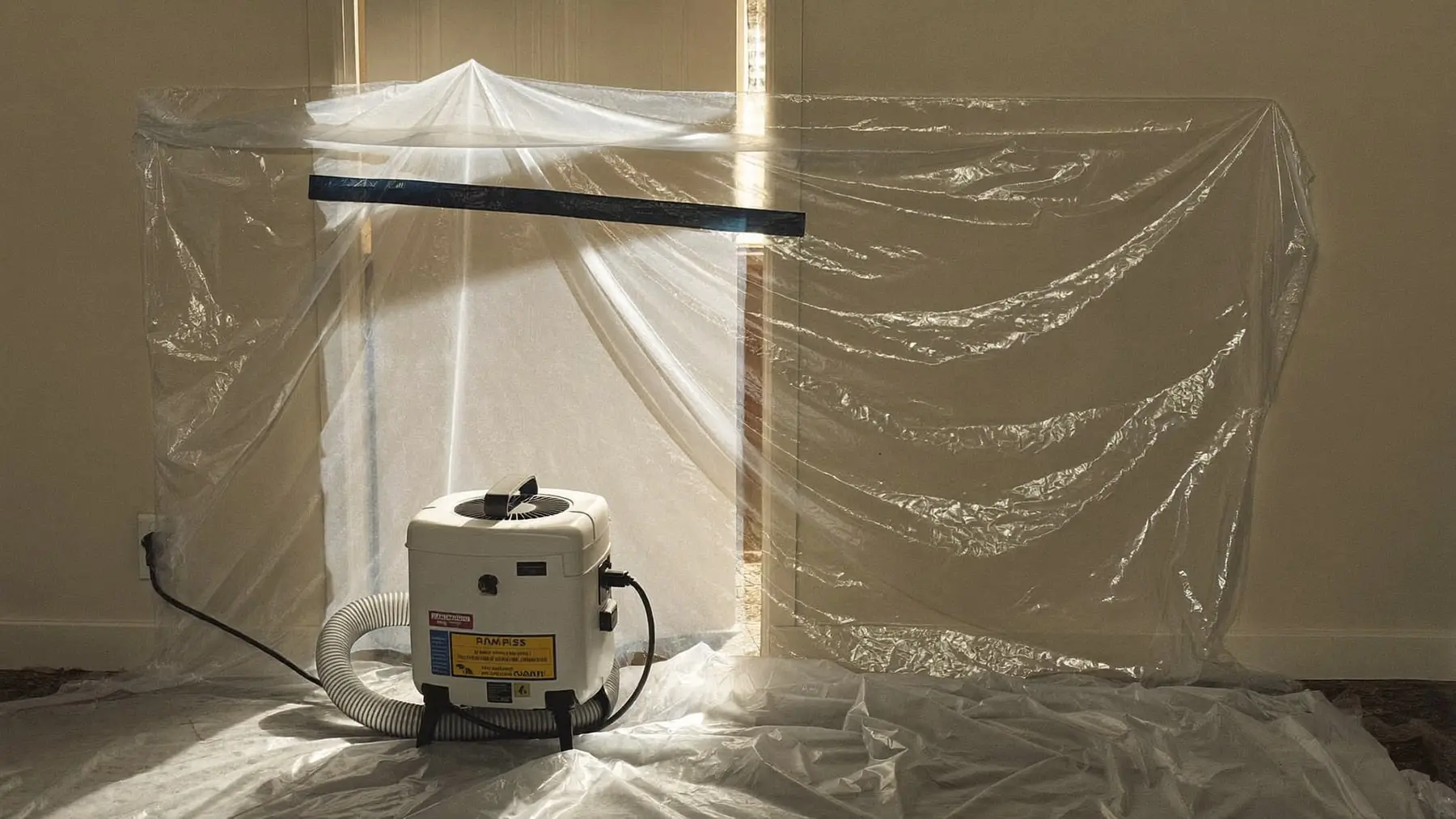
Mold remediation is the controlled removal of mold growth combined with correction of the moisture source feeding it. The second half is what separates remediation from cleaning: mold is a symptom of a water problem, and removing visible growth without fixing why the material was wet guarantees it returns. Proper remediation uses physical containment and negative air pressure so spores are not distributed through the building during removal, which is the main risk of attempting it without equipment.
Mold spreads and damages what it grows on
Mold becomes viable on wet building materials within 24 to 48 hours and spreads from there. It also digests what it grows on, so drywall, wood and insulation degrade structurally the longer growth continues. A small contained patch is an afternoon of work. The same problem left for six months is a tear-out.
Signs to look for
- Visible growth — black, green, white or fuzzy — on walls or ceilings
- A persistent musty or earthy smell
- Respiratory symptoms that ease when you leave the building
- Water staining with discoloration spreading from it
- Past water damage that was never properly dried
- Condensation on windows and cold surfaces
Need mold remediation help in Lincoln?
The referral line is answered 24 hours a day, including weekends and holidays.
+1 (402) 783-8866Free referral · Licensed & insured contractors · Lincoln & Lancaster County
Mold Remediation services
Pick what matches your situation, or call and describe it.
What the process looks like
- 1
Assessment
The contractor identifies the extent of growth and traces the moisture source feeding it.
- 2
Containment
The work area is sealed and put under negative air pressure so spores do not travel.
- 3
Removal
Contaminated porous material is removed. Non-porous surfaces are cleaned with antimicrobials.
- 4
HEPA filtration
Air scrubbers run throughout to capture airborne spores.
- 5
Fix the source
The leak, drainage fault or humidity problem is corrected, or the growth returns.
- 6
Verification
Post-remediation testing confirms the area is clear where documentation is needed.
Frequently asked questions
Is black mold actually dangerous?
Stachybotrys chartarum, the species usually meant by black mold, produces mycotoxins and is worth taking seriously. Colour is not a reliable way to identify species though, and many harmless molds are also dark. The practical position is that no species should be left growing indoors. People with asthma, allergies or compromised immune systems, and the very young and old, tend to react more strongly, and reactions vary widely between individuals. This is general information rather than medical advice, so discuss symptoms with a doctor.
Can I just use bleach on mold?
On hard non-porous surfaces such as tile, glass or sealed countertops, bleach works. On porous materials such as drywall and wood it does not, because bleach is mostly water: the chlorine stays on the surface while the water soaks in and feeds the growth underneath. Visible growth typically returns within weeks. Porous material with established growth needs removal, not cleaning.
Do I need mold testing?
Often not. If growth is visible and you know where the water came from, testing rarely changes the work, because remediation is the same regardless of species. Testing is genuinely useful when you suspect hidden growth behind walls, when you need documentation for a real estate transaction or insurance claim, or when clearance verification is wanted after remediation is complete.
Does homeowners insurance cover mold?
It depends on the cause. Mold resulting from a covered sudden event, such as a burst pipe that was addressed promptly, is often covered, though many policies cap mold coverage at a specific dollar limit. Mold from long-term leaks, humidity or deferred maintenance is almost always excluded, on the basis that it was preventable. Carriers frequently deny claims where water damage went unreported, which is another reason to document and report promptly.
How long does mold remediation take?
A small contained area is often a day or two. Larger jobs involving multiple rooms, HVAC contamination or structural removal run a week or more. Containment setup and air filtration add time at both ends, and the moisture source has to be fixed before the area is closed up, which sometimes means waiting on a plumber or roofer.
Mold Remediation across Lincoln & Lancaster County
Contractors cover Downtown & Haymarket, Near South, Country Club, Havelock, University Place, College View, Belmont, Air Park and every other part of the city.
Other restoration services
Water damage right now?
The referral line is answered 24 hours a day, including weekends and holidays.
+1 (402) 783-8866Free referral · Licensed & insured contractors · Lincoln & Lancaster County